Stop Grinding Weld Seams
Last Thursday evening, around 8:40 pm, I was still in the office. I remember because I had already packed my bag once, then sat back down to reply to a couple of messages.
That’s when a customer sent me a short WhatsApp video.
No explanation. Just a clip from his workshop.
Stainless steel sheets on the table. One worker welding. Another worker right behind him grinding the weld seam almost immediately after.
The grinder was loud. Bright sparks. Dust floating in the light.
After the video, he typed: “We do this every day.”
Nothing dramatic. No complaint. Just a statement.I watched it twice.
And I don’t know why, but it stuck with me.
Grinding after welding is so normal that nobody really questions it anymore.
Weld. Then smooth it. Then polish it if needed.
Especially with stainless steel products where appearance matters. Even if the weld is strong enough, if it looks raised or slightly discolored, someone has to fix it.
That second worker with the grinder? He’s part of the system.
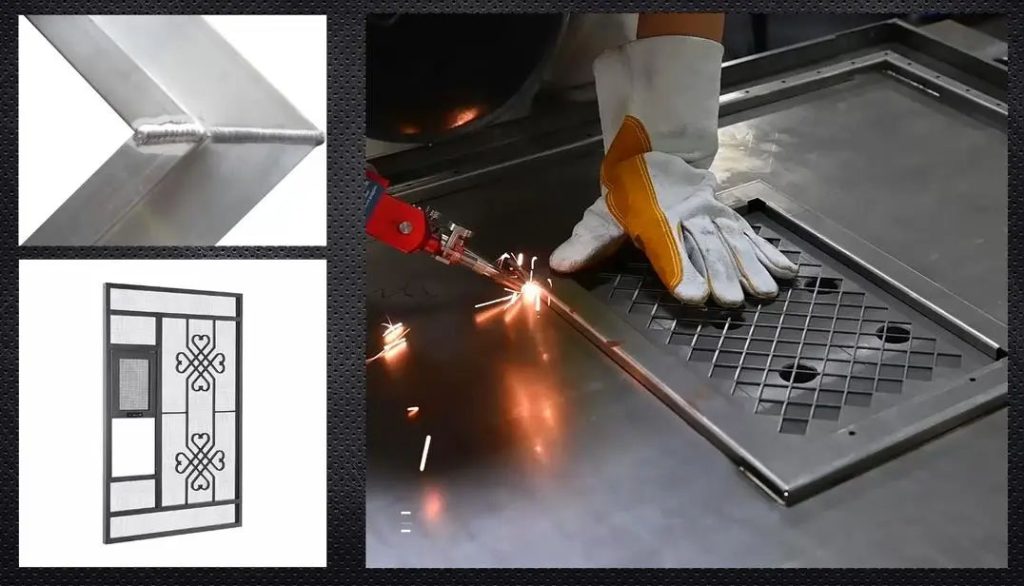
Over the past few years, I’ve also seen more workshops switching to handheld laser welding machines.
The first time I saw one running in person, what I noticed wasn’t the speed. It was the weld seam itself. It looked narrower. Less metal sitting on top. Less discoloration spreading outward.
Not perfect. Just cleaner.
And in some shops, I noticed something subtle — the grinding step became lighter.
Not gone. Just lighter.
Sometimes it was a quick touch-up instead of a long correction.
That difference isn’t obvious in brochures or technical specs. But when you see it happening on the shop floor, it’s noticeable.
I’m not saying laser welding removes grinding completely.
If material is thick, or gaps aren’t tight, or parameters aren’t set properly, finishing work is still needed. That’s just fabrication reality.
But when the weld profile itself changes, the workflow shifts a little.
And that’s what I kept thinking about after watching that video.
Two workers. Same routine every day.
Maybe the routine exists partly because of the welding method.
Maybe not entirely. But partly. I finally left the office around 9:15 pm that night.
On the way home, I kept replaying that short clip in my head. Weld. Grind. Move on.
Sometimes progress isn’t about welding faster.
Sometimes it’s about not having to fix as much afterward.
That’s really all this is.
Just something I noticed.